Bearded Dragon Care Sheet: A WNY Herp Society Expert Guide
November 25, 2025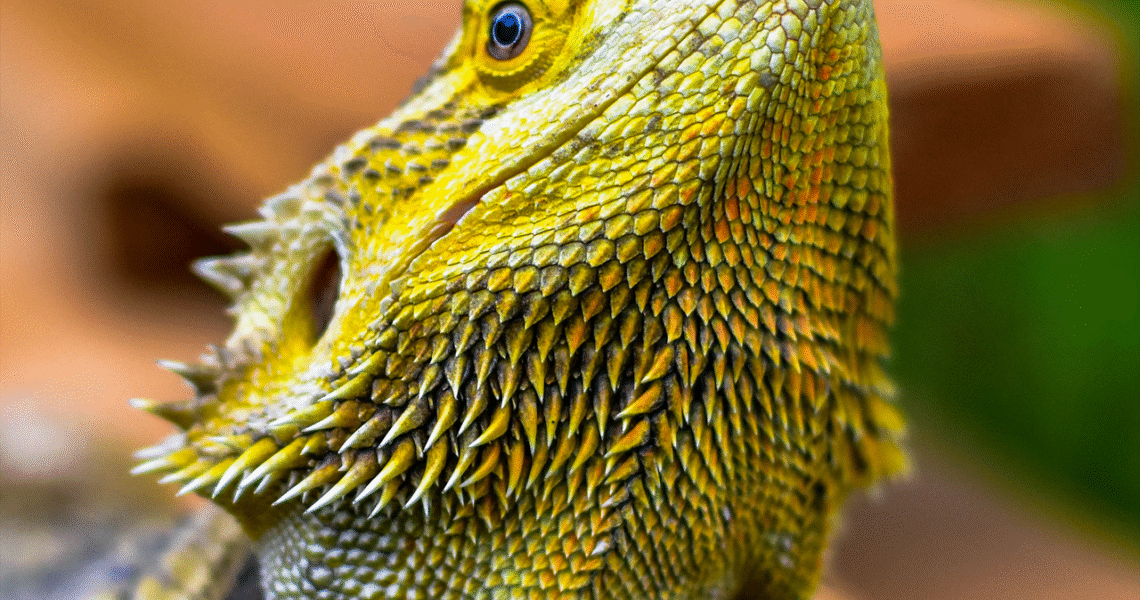
Bringing home a bearded dragon is equal parts joy and responsibility. They’re hardy, personable reptiles, but only when you dial in the essentials: heat, UVB, diet, space, and routine care. This Bearded Dragon Care Sheet distills WNY Herp Society expertise into a clear, confidence-boosting guide so you can get it right from day one and keep your dragon thriving for years.
Species Snapshot And Lifespan
The bearded dragon most keepers mean is Pogona vitticeps, native to Australia’s arid interior. Think big sky, hot sun, low humidity, and you’ll be halfway to building the right habitat.
Average adult size is 16–24 inches, with males usually larger. With excellent husbandry, you can expect 10–15 years, sometimes more. They’re diurnal, love to bask, and communicate with head-bobs, arm waves, and the famous “black beard.” Calm handling and consistent routines help them stay confident and curious, not skittish.
Enclosure Setup And Core Parameters
Tank Size And Layout
An adult bearded dragon needs space to thermoregulate and move. A 4x2x2 ft (120-gallon) enclosure is a modern minimum for adults. Bigger is better if you can swing it. Juveniles can start smaller, but plan for the adult upgrade early to avoid stress and growth plateaus.
Create a hot side and a cool side with clear line-of-sight basking spots and hides. Add sturdy climbing branches, layered rocks, and a flat basking platform. Provide at least one hide on the cool side and one near the warm midpoint so your dragon can regulate heat without feeling exposed. Ensure all decor is secure, no wobble, no crush hazards.
Safe Substrates
If you want set-and-forget reliability, go with solid substrates: textured tile, sealed slate, or non-adhesive shelf liner. They’re easy to clean and keep nails naturally worn. Paper options (butcher paper, paper towels) work well for juveniles or quarantine.
Experienced keepers sometimes run bioactive or loose mixes (soil/sand/clay blends). If you do, use sifted, fine, digestible components, feed from dishes/tongs, and avoid calcium sand. The simpler path, especially for your first dragon, is solid flooring.
Heating, UVB, And Photoperiod
Thermal gradient drives digestion and immune health. Target a basking surface temp of about 100–105°F for adults (up to 108°F for fast-growing juveniles), a warm side ambient around 90°F, and a cool side of 75–85°F. Night can safely drop to 65–75°F. Use a dome fixture with a halogen flood over the basking platform: dial in temps with a dimmer or thermostat.
UVB isn’t optional. Mount a high-output T5 HO 10–12% UVB tube the length of at least half the enclosure, 10–14 inches from the basking zone with no glass or plastic in between. Replace tubes about every 12 months (check manufacturer guidance). Pair the UVB with bright visible light to mimic daytime intensity.
Photoperiod of 12–14 hours of light daily works well outside of brumation season. Put everything on timers so you don’t have to play light-switch roulette.
Humidity, Monitoring, And Cleaning
Aim for 30–40% relative humidity, typical room levels. Good ventilation helps prevent respiratory issues. Use digital thermometers with probes at both ends and an infrared temp gun for basking surface checks. A reliable hygrometer tells you if you’re creeping high or low.
Spot-clean feces and uneaten food daily. Do a deeper clean every 2–4 weeks: wipe surfaces with a reptile-safe disinfectant and rinse well. If you’re running tile, pull and scrub as needed. Replace UVB on schedule and check fixtures and decor for wear or sharp edges.
Diet, Supplements, And Feeding Schedules
Greens And Vegetables
A healthy adult diet leans plant-forward. Offer a fresh salad daily built around nutrient-dense staples: collard, mustard, and turnip greens: dandelion greens: escarole and endive. Rotate in squash, bell pepper, and small amounts of herbs like basil or cilantro. Avoid spinach and beet greens as regulars due to oxalates, and keep iceberg lettuce occasional, it’s mostly water.
Chop to bite-size, mix textures, and serve in a shallow dish. Morning salads encourage natural foraging and hydration. Remove leftovers by day’s end.
Insects And Protein
Juveniles grow fast and need more protein: adults need far less. Choose quality feeders: dubia roaches, crickets, black soldier fly larvae, silkworms, and hornworms. Superworms are fine as an occasional treat for adults: go easy on mealworms for young dragons due to tough exoskeletons.
Feed insects that are smaller than the space between your dragon’s eyes. Offer in a separate feeding bin or use tongs/dishes to limit accidental substrate ingestion.
Calcium, D3, And Gut-Loading
Calcium is non-negotiable, and D3 depends on your UVB quality. If you’re running a strong T5 HO UVB correctly placed, use plain calcium most feedings for juveniles and a few times per week for adults. Add a calcium with D3 once or twice weekly, plus a multivitamin about once weekly. If your UVB setup is suboptimal, D3 needs increase, but the real fix is to correct the UVB.
Gut-load insects 24–48 hours before feeding with dark leafy greens and a quality, moisture-rich bug diet. Well-fed insects equal better nutrition for your dragon.
Feeding Frequency By Age
- Hatchlings/young juveniles (0–4 months): Offer insects 2–3 times daily in short sessions: fresh salad daily.
- Older juveniles/subadults (4–12 months): Insects once daily, tapering to every other day as growth slows: salad daily.
- Adults (12+ months): Salad daily: insects 2–3 times per week in moderate portions. Focus on weight maintenance, not constant gain.
Hydration, Shedding, And Daily Husbandry
Water Access And Bathing
Offer a shallow water dish that’s easy to step in and out of: keep it clean and remove if it spikes humidity. Many dragons drink little from bowls, so hydration often comes from fresh greens and the occasional hornworm. Baths are optional, not mandatory, use lukewarm water up to shoulder height for 10–15 minutes if your dragon’s dehydrated or constipated. Always supervise.
Shedding Support
Healthy sheds follow healthy husbandry. Maintain proper heat and UVB, provide rough textures (natural branches, slate) for gentle rubbing, and don’t peel stuck shed. If small patches linger on toes or tail tips, a brief soak and gentle pat-dry can help. Persistent retained shed may signal humidity or health issues.
Routine Care Checklist
- Morning: Turn on lights via timers, confirm temps/UVB, refresh salad.
- Midday: Quick spot-clean, observe behavior and appetite.
- Evening: Remove leftovers, check water, confirm night temps.
- Weekly: Deep-clean spots, weigh your dragon, review lighting distances.
- Monthly/seasonal: Replace probes if faulty, log weights, schedule UVB replacement windows.
Behavior, Handling, And Enrichment
Body Language And Stress Signs
A relaxed dragon basks with a slight gape, explores, and shows bright, alert eyes. Stress shows up as a jet-black beard, flattened body, rapid head-bobbing, prolonged glass-surfing, or hiding during prime daylight. Sudden behavior changes often trace back to husbandry, double-check temps, UVB, and enclosure traffic.
Safe Handling Basics
Let your dragon see your hand coming. Scoop from beneath, supporting chest and pelvis with the tail resting along your arm. Keep sessions short at first. Don’t restrain the head, don’t grab the tail, and don’t handle immediately after meals. Wash hands before and after handling for your and your dragon’s health.
Mental Stimulation And Foraging
Enrichment keeps minds and bodies active. Offer occasional feeder puzzles, scatter fresh greens across a safe surface, rotate climbing decor, and provide a dig box (sand/soil blend kept dry). On warm days, supervised outdoor time with real sunlight is amazing, use a secure pen and stay within arm’s reach. No pesticides, no escape routes.
Health, Brumation, And Vet Care
Common Health Issues And Red Flags
Early intervention makes all the difference. Watch for soft jaw or tremors (possible metabolic bone disease), wheezing or bubbling at the lips (respiratory infection), persistent lethargy with weight loss, abnormal stools, visible mites, or a swollen, painful belly (impaction). Oral lesions, stuck shed around toes, or sunken eyes deserve attention. Correct husbandry first, but don’t wait on serious signs, call a reptile vet.
Brumation Basics And Seasonal Adjustments
Adults may slow down during cooler months, sleep more, and eat less, classic brumation. Confirm your dragon is healthy before allowing it. Gradually reduce food over 1–2 weeks, maintain access to water, and shorten the photoperiod to around 8–10 hours. Keep enclosure temps safe (not cold). Weigh weekly: significant weight loss means it’s time for a vet check and possibly ending brumation.
Parasite Checks And When To See A Vet
Schedule a fecal exam once or twice a year or any time stools change. New dragons should have an intake exam with a reptile-experienced veterinarian. Seek care promptly for breathing issues, severe diarrhea, suspected fractures, egg binding, or persistent anorexia. Keep a simple health log, weights, sheds, appetite, behavior, so trends are obvious, not guesswork.
Conclusion
When you match Australia’s sun and space with smart, simple routines, bearded dragons are remarkably resilient. Prioritize a roomy 4x2x2 enclosure, accurate heat and UVB, a salad-first diet, and consistent monitoring. Use this Bearded Dragon Care Sheet as your north star, and you’ll spend less time troubleshooting and more time enjoying a confident, curious dragon basking under a dialed-in light. If in doubt, adjust husbandry first, and don’t hesitate to loop in a qualified reptile vet. Your dragon will thank you in head-bobs.