Are There Lizards in WNY? Fact vs. Fiction About Our Native Reptiles
November 25, 2025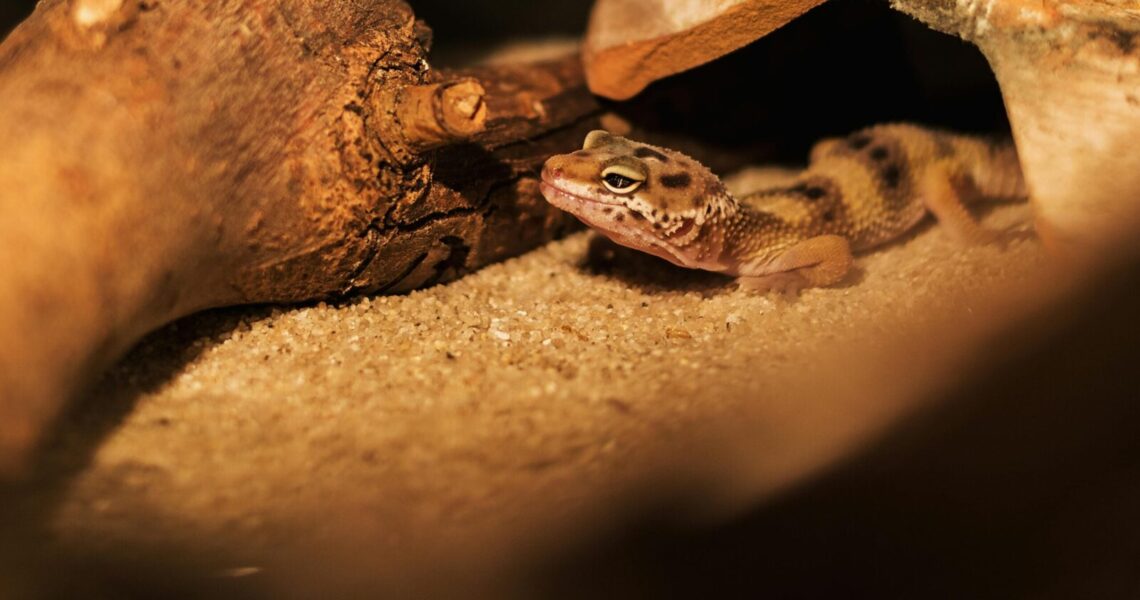
If you’ve ever spotted a quick, shiny creature darting across a sun-warmed rock in Western New York, you probably wondered: was that a lizard? Short answer: maybe, but it’s rare. Most reports of “lizards in WNY” turn out to be salamanders or small snakes, or occasionally an escaped pet. Still, New York does have a native lizard, and there’s a sliver of truth behind some sightings. Here’s how to separate the facts from the backyard folklore, and what to do if you think you’ve found the real deal.
Short Answer: Rare, Localized, And Often Misidentified
You do have lizards in New York State, but in WNY they’re scarce and very localized. The only native lizard statewide is the common five-lined skink (Plestiodon fasciatus). It’s most frequently documented downstate and in parts of central and eastern New York. In Western New York, verified records are uncommon and often tied to very specific microhabitats.
So why do you hear about “lizards in WNY” so often? Misidentifications. Juvenile skinks (if present) have electric-blue tails and bolt like lightning, easy to confuse with small snakes. Meanwhile, salamanders are everywhere in our forests, and a wet, glossy salamander under a log looks surprisingly reptile-like at a glance. Add occasional escapee pets and you’ve got a recipe for confusion.
What “Native” Means In Western New York
“Native” means a species occurs here naturally, established over long time scales without human help. In New York, only the five-lined skink qualifies as a native lizard. You might hear about Italian wall lizards on Long Island or green anoles near garden centers: those are introduced populations or one-off transients, not native to WNY. For your backyard checklist in Buffalo, the Southern Tier, or along the Niagara Frontier, that distinction matters: a truly native lizard here is exceptional, not routine.
The Five-Lined Skink: New York’s Elusive Lizard
Range In New York And Where WNY Fits
The five-lined skink’s strongholds in New York are mostly downstate and into parts of central/eastern regions, especially where you get warm, rocky slopes and open, oak-pine habitats. Western New York sits near the species’ fringe in the state. Historic and scattered reports suggest it can occur on sun-exposed rock outcrops, dry woodlands, and south-facing edges in the Southern Tier and very specific pockets closer to the Niagara Escarpment. In plain terms: if you find one in WNY, consider it a lucky, noteworthy sighting.
How To Identify Adults And Juveniles
Juveniles are the show-stoppers: black to charcoal bodies with crisp light stripes and a vivid, electric-blue tail. That tail can be half the body length and is often what you notice first as it zips away. Adults fade: they’re usually brownish, the stripes soften, and males can show orange on the jaws during breeding season. Skinks have smooth, shiny scales, visible eyelids (they blink), and distinct external ear openings, key features that separate them from salamanders.
Field tip: if the animal blinks and you can see tiny ear holes behind the eyes, you’re likely looking at a lizard, not a salamander.
Habitats, Seasonality, And Behavior
Skinks are heat lovers. In New York, you’re most likely to encounter them on sunlit, rocky edges, sandy openings, decaying logs on warm slopes, or at the margins of open woods. They’re active on warm, sunny days from late spring through summer, especially late morning to mid-afternoon when surfaces warm quickly. They eat invertebrates, spiders, crickets, beetles, and spend a lot of time under cover objects. They’re fast, wary, and will drop their tails if grabbed, a defense that costs them energy to regrow.
In WNY, good conditions can be short-lived. A cool, cloudy stretch can shut activity down for days. That’s part of why casual hikers almost never see them here.
Conservation Notes And Legal Protections
In New York, the five-lined skink is recognized as a native species with a patchy distribution and habitat sensitivity. It benefits from protections that prohibit collection without proper permits. Habitat loss, especially the gradual closing of sunny openings, rock outcrops, and edges, poses the big threat. If you think you’ve found skinks in WNY, treat the site gently: don’t move rocks far from where you found them, replace any cover exactly as you found it, and avoid trampling fragile, lichen-rich rock faces. Reporting your observation to state or citizen-science platforms can help conservation planning without you “sharing the spot” publicly.
Non-Native Lizards You Might Occasionally See
Common Escapees And Transients (Anoles, House Geckos, Etc.)
Every spring, local nature groups hear about “little green lizards” on porches or a gecko on a garage wall. These are often green or brown anoles from the pet trade (or nursery stock), Mediterranean house geckos that hitchhiked in shipments, or occasional released pets like leopard geckos and bearded dragons. Downstate, Italian wall lizards are established in parts of Long Island, but they haven’t set up shop in WNY.
Why They Rarely Survive WNY Winters
Reptiles from subtropical climates can’t handle our prolonged freezes. Western New York winters are simply too long and too cold, and our shoulder seasons swing wildly. A stray anole might survive a warm week in July, but once nights dip or a cold snap hits, that animal’s done. That’s why recurring, stable populations of non-native lizards in WNY are virtually unheard of.
What To Do If You Find A Non-Native Lizard
- Don’t release or relocate pets. If you suspect it’s an escaped pet, ask nearby owners or post on local lost-and-found groups.
- Take clear photos and record the location. Submit to iNaturalist or HerpMapper so experts can confirm.
- If the animal seems injured or you’re certain it’s a non-native, contact your county animal control, a licensed wildlife rehabilitator, or a reputable herpetological society for guidance. Avoid handling unless necessary for safety.
Look-Alikes You’re Far More Likely To Encounter
Salamanders Versus Lizards: Key Differences
Salamanders are amphibians, not reptiles. You’ll find red-backed salamanders everywhere in our hardwood forests: they’re slender, with moist skin and no external ear openings. They don’t blink, and their skin looks satiny, not scaly. Newts and slimy salamanders also turn up under logs and stones and often get labeled “lizards” by accident. If the animal looks wet and you found it in cool, damp leaf litter, odds are it’s a salamander.
Small Snakes Mistaken For Lizards
Dekay’s brownsnake and ring-necked snakes are petite, quick, and commonly misread as “no-legged lizards.” Watch for the tongue flick and the lack of eyelids, snakes don’t blink. Juvenile garters can also be surprisingly small. If you didn’t see legs, assume snake first: true lizards in WNY, when present, have obvious limbs and that telltale blink.
Where And How To Search Responsibly
Best Microhabitats And Times Of Year
If you’re determined to look for lizards in WNY, focus on warm, south-facing edges with scattered rock, sandy soils, or decaying logs that get direct sun. Late May through July on calm, sunny days is prime. Start late morning as surfaces heat up, then check again mid-afternoon. Scan rock faces and log edges before you flip anything: many skinks bask a few inches from cover and vanish if you blunder in.
Observe Without Handling: Ethics And Safety
- Minimize flipping. If you lift a log or rock, put it back exactly as found. Cover objects are micro-habitats, move them and you evict tenants.
- Don’t chase or grab. Tail-dropping is stressful and costly for skinks. Photos are better than trophies.
- Mind the habitat. Lichens and moss on rocks grow painfully slow: avoid scraping or prying.
- Watch your hands. Rusty wire, glass shards, and the odd wasp nest lurk under debris. Gloves help, but your best tools are patience and good light.
Report Sightings And Get Involved
Citizen Science Platforms And Local Contacts
When you think you’ve seen a skink, or any unusual reptile, share it where experts can help. iNaturalist is great for quick IDs and maps. HerpMapper is used by many herpetologists and agencies. In New York, you can also report to the DEC and participate in statewide amphibian and reptile atlas efforts when open. In WNY, local nature centers and land trusts appreciate well-documented observations from their preserves: ask how they prefer to receive records.
Tips For Photographing Useful Evidence
You don’t need a fancy camera. What helps most is clarity and context.
- Take multiple angles: side profile, top view, and if possible a close shot of the head showing the eye and ear opening.
- Include a habitat shot so reviewers can see the setting.
- Note date, time, weather, and behavior (basking on rock, under log, etc.).
- If it runs, don’t pursue. Even a blurred shot plus a good description is better than stressing the animal.
Conclusion
So, are there lizards in WNY? Yes, potentially, but they’re rare, localized, and easy to confuse with far more common salamanders and small snakes. If you’re lucky enough to cross paths with a five-lined skink, you’ve stumbled on one of New York’s most elusive reptiles. Treat the spot with care, document your find, and share it with the folks who track biodiversity. Whether you’re scanning sunlit rock or flipping a single log and putting it back just right, you’re helping separate fact from fiction, and that’s how good conservation starts.